
Why Paper Voidfill Is a Smarter Sustainable Choice
Paper voidfill is becoming the practical choice for businesses that want to protect products in transit while reducing waste, improving recyclability, and supporting lower-impact packaging operations.
For manufacturers and retailers, packaging is no longer judged on protection alone. It is also measured by how effectively it supports sustainability goals, customer expectations, and the total cost of distribution.
What Is Voidfill?
Voidfill is the material used to fill empty space inside a parcel. Its purpose is simple but business-critical: to limit product movement during transit, reduce the risk of damage, and help goods arrive in the right condition.
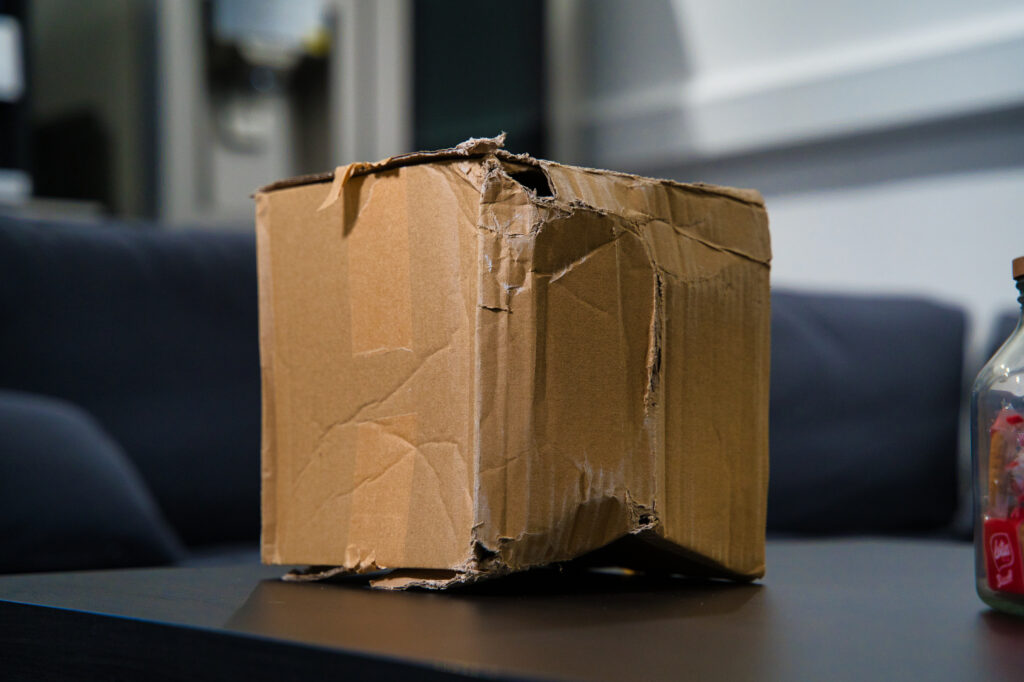
Without effective voidfill, products can shift, collide, and absorb unnecessary impact. That leads to avoidable damage, costly returns, wasted product, and additional replacement shipments.
Good voidfill does more than fill space. It helps protect the product, support the brand experience, and control the wider cost of distribution.
Why Paper Voidfill Is Gaining Ground
Traditional voidfill has often relied on plastic-based materials that can be harder to recycle and less aligned with evolving sustainability targets.
Paper voidfill offers a more credible alternative. It delivers the protective performance businesses need while making it easier to align packaging decisions with environmental goals and operational efficiency.
Its key advantages include:
- Recyclability – Paper voidfill is widely recyclable through established paper waste streams, making disposal simpler for both businesses and end users.
- Renewable sourcing – Paper is typically produced from renewable fibre sources and can support a more sustainable packaging strategy when sourced responsibly.
- Reduced plastic use – Switching to paper voidfill helps reduce reliance on plastic packaging materials.
- Operational simplicity – Paper-based solutions can support efficient packing processes while aligning with sustainability goals.
- Protective performance – Well-designed paper voidfill still provides the cushioning and stabilisation needed to protect products in transit.
How Paper Voidfill Supports a Lower Carbon Footprint
Reducing carbon impact is not about one packaging decision in isolation. It comes from improving the full packaging system, and voidfill plays an important role in that process.
1. Lower Reliance on Fossil-Fuel-Based Materials
Many conventional voidfill materials are plastic-based and derived from fossil fuels. Paper voidfill offers an alternative that can help businesses reduce the use of these materials in day-to-day operations.
That shift can support lower-impact packaging choices, particularly when paper is sourced responsibly and integrated into a broader sustainable packaging strategy.
2. Better End-of-Life Outcomes
Packaging only delivers sustainability value if it can be disposed of properly. Paper voidfill is often easier for end users to identify, separate, and recycle than mixed-material or plastic alternatives.
The easier a material is to recycle, the more likely it is to stay in the material loop rather than ending up as general waste.
3. Fewer Damaged Shipments
Sustainability is not only about the packaging material itself. It is also about what that packaging prevents.
When voidfill performs effectively, it reduces movement in transit and helps prevent damage. That means fewer returns, fewer replacement shipments, less wasted product, and less unnecessary transport impact.
4. More Efficient Packaging Systems
Paper voidfill works best as part of a considered packaging approach. Combined with the right box size and pack design, it can help businesses optimise packaging efficiency without sacrificing protection.
That matters because smarter packaging systems can reduce excess material use, improve pack consistency, and support a more efficient supply chain.
Sustainability Without Compromising Protection
One of the biggest misconceptions around sustainable packaging is that it must come at the expense of performance. In reality, the best packaging solutions do both.
Paper voidfill offers a strong balance between environmental improvement and transit protection. It helps businesses reduce unnecessary waste while still giving products the support they need during shipping.
For brands, that matters on multiple levels. Product damage does not just create cost – it can affect customer confidence, operational efficiency, and brand perception. Choosing the right voidfill means protecting more than the parcel itself.
What Businesses Should Consider When Choosing Paper Voidfill
The right solution depends on the product, the supply chain, and the packing operation.
Key considerations include:
- Product weight and fragility – The voidfill must match the level of protection required.
- Pack speed and operational flow – The solution should work efficiently within the packing process.
- Recycling goals – Materials should support broader sustainability targets.
- Customer experience – Packaging should be easy to unpack, easy to dispose of, and aligned with brand values.
- Total cost – The true cost includes material use, packing efficiency, transit performance, and damage reduction.
A strategic approach looks beyond unit price and focuses on total value.
The Bigger Picture
Paper voidfill is more than a packaging material. It is part of a broader shift towards more intelligent packaging decisions – choices that protect products, reduce waste, and support more responsible distribution.
For businesses looking to strengthen sustainability without losing sight of performance, paper voidfill is a practical and credible step in the right direction.
In a market where customers increasingly expect both protection and responsibility, the right voidfill solution helps deliver both.
Closing CTA
Paper voidfill helps protect the product, strengthen the brand, and support the margin – making it a smarter packaging choice for businesses looking to reduce environmental impact without compromising performance.