A Simple Switch to More Sustainable Packaging Tape
Packaging sustainability is often shaped by the bigger decisions – box design, material selection, voidfill, and transit efficiency. But smaller components matter too. Packaging tape may only be one part of the pack, but it still plays an important role in both performance and environmental impact.
For businesses looking to reduce plastic use, improve recyclability, and make more considered packaging choices, tape is one area worth reviewing. The right solution can support sustainability goals without compromising the strength and reliability needed to protect products in transit.
Why Packaging Tape Matters
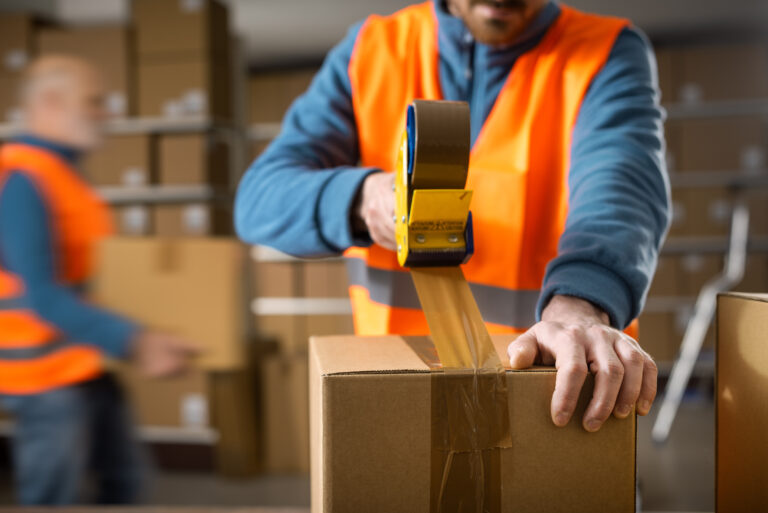
Tape is easy to overlook because it is often seen as a finishing detail rather than a strategic packaging component. In reality, it has a direct impact on pack security, operational efficiency, and the overall material profile of the shipment.
If the wrong tape is used, businesses can face issues such as:
- Poor carton sealing
- Greater risk of packs opening in transit
- Increased material usage
- Problems with recyclability
- Operational inefficiency during packing
The right tape should do more than close a box. It should support the integrity of the pack while aligning with wider packaging and sustainability objectives.
The Case for More Sustainable Tape Options
As businesses work to reduce the environmental impact of their packaging, many are reviewing traditional plastic-based materials and considering alternatives. Packaging tape is one of the simpler areas where positive change can be made.
More sustainable tape options can help by:
- Reducing plastic content in the packaging process
- Supporting easier recycling, particularly when paired with corrugated board
- Improving material consistency across the pack
- Aligning with wider sustainability targets and procurement goals
- Helping businesses move towards lower-impact packaging systems
This does not mean every tape option is right for every application. The key is to find a solution that supports both performance and environmental responsibility.
Paper Tape and Other Eco-Friendly Alternatives
One of the most common routes businesses explore is paper-based tape. When used in the right application, paper tape can offer a more recyclable packaging format, particularly when sealing corrugated cartons.
Its benefits can include:
- Reduced reliance on plastic-based sealing materials
- Better alignment with paper-based packaging streams
- Clearer disposal and recycling routes for end users
- A more consistent sustainable packaging message
Depending on the application, businesses may also consider other lower-impact tape solutions designed to reduce material usage or improve overall packaging efficiency.
What matters most is choosing the right option for the pack format, product weight, transit conditions, and packing process.
Sustainability Should Not Compromise Performance
One of the biggest concerns when switching packaging materials is whether performance will be affected. That is a valid concern. Tape still needs to do its primary job properly: keep the pack sealed and the product protected.
A more sustainable tape solution must still deliver:
- Reliable adhesion
- Consistent sealing performance
- Strength during handling and transit
- Efficiency within the packing operation
If the tape fails, the environmental benefits are quickly undermined by damaged shipments, repacks, returns, and wasted materials. Sustainable packaging only works when it performs in the real world.
That is why tape selection should always be based on both environmental goals and operational requirements.
Looking at the Full Packaging System
The most effective sustainability improvements happen when businesses look at packaging as a system rather than a series of isolated components. Tape should be considered alongside the box, the voidfill, the product weight, the shipping environment, and the end-of-life route for the finished pack.
A more joined-up approach can help businesses:
- Reduce unnecessary material complexity
- Improve recyclability across the pack
- Maintain product protection
- Support smoother packing processes
- Strengthen the credibility of sustainability efforts
In other words, tape is not just a small detail. It is part of the overall packaging decision-making process.
Small Change, Meaningful Impact
Not every sustainability improvement needs to involve a complete packaging redesign. Sometimes, smaller changes can still make a meaningful difference – especially when they are applied consistently across high packaging volumes.
Reviewing packaging tape is a practical place to start. It is a chance to reduce environmental impact in a way that is visible, achievable, and operationally relevant.
For manufacturers and distributors, that kind of change matters. It helps create a packaging operation that is not only more sustainable, but also more joined up, more efficient, and better aligned with customer expectations.
Conclusion
Packaging tape may be a small part of the pack, but it can still have a valuable role to play in a more sustainable packaging strategy. The right option can help reduce plastic use, support recyclability, and contribute to a lower-impact packaging operation – while still delivering the performance needed in transit.
For businesses looking to make practical sustainability improvements, reviewing tape is a simple but worthwhile step.